Programme
The programme of CEEDUCON 2026 will be available by September 1. Please note that the programme is subject to changes.
| When | Where | What |
|---|---|---|
 Day 1
Day 1
Tuesday, 1 December
|
O2 universum |
All-day conference |
| tba | Networking dinner | |
|
Day 2
Wednesday, 2 December
|
O2 universum |
All-day conference |
Smart & Sustainable International Cooperation
How can we connect internationalisation with digitalisation and sustainability, leveraging AI, smart mobility, and sustainable funding models to enhance global academic exchange?
- The digital age and its impact on internationalisation
- The role of AI in internationalisation
- Smart mobility for student and faculty exchange
- Green campuses and sustainability in higher education
- Online and hybrid models of mobility
- Sustainable mobility and ecologically responsible internationalisation
- Internationalisation in geopolitical and economic challenges
- Smart student recruitment and marketing strategies
- Sustainable funding models for international cooperation, such as public-private partnerships, endowments/foundations, and alumni support


Internationalisation for All
How can we break down barriers to international experiences, promote global citizenship education, expand language opportunities, and improve career prospects and wellbeing for all students and staff involved?
- Barriers in international student and staff support
- Active citizenship: going above and beyond
- Volunteering programmes at home and abroad
- Student, PhD, and alumni networks
- Language opportunities within student communities
- Job market and career prospects for students with international experience
- Student wellbeing
- Edutainment: merging education and entertainment
- The future of university teaching and the role of internationalisation
- Global citizenship education as a core component of internationalisation: equipping students with the skills and mindset needed to navigate a globalised world
Global & Regional Partnerships
How can we strengthen global and regional academic ties, with a focus on emerging regions, fostering talent mobility, and adapting international cooperation strategies to geopolitical and economic shifts?
- Academic freedom, security and ethical issues of internationalisation
- Brain circulation: how to attract and retain talent in Europe
- European university alliances and cooperation with non-members
- Central European perspectives on internationalisation in higher education
- Strengthening cooperation between European and global partners, including regions outside traditional partnerships, with a focus on specific areas such as Africa, Asia, the Balkans, and Latin America
- Exploring alternative projects to Erasmus, such as Jean Monnet, ERA Chair, and bilateral cooperation while highlighting complementarities with other international exchange programmes
Alumni — Employability — Future Skills
How can universities equip graduates with the skills necessary for the modern labour market, encourage entrepreneurship, support lifelong learning, and leverage alumni networks for career development?
- The role of alumni in shaping university policies, programmes, and curricula
- Data-driven insights: tracking alumni employability and success
- The growing importance of co-curricular learning—such as internships, volunteering, and skill-building outside the classroom—in shaping well-rounded graduates
- The role of universities in preparing students for the future labour market and building connections with businesses
- International graduates and their transition into the job market
- How can we ensure that graduates develop competencies for the global economy?
- Supporting entrepreneurship, startups, and applied research in education
- The gig economy and its impact on education
- Bridging the gap between students and alumni
- Alumni as ambassadors: strengthening the connection between universities and international graduates
- Leveraging alumni networks for career development and global networking opportunities
- Lifelong learning and upskilling: how alumni can stay relevant in their careers
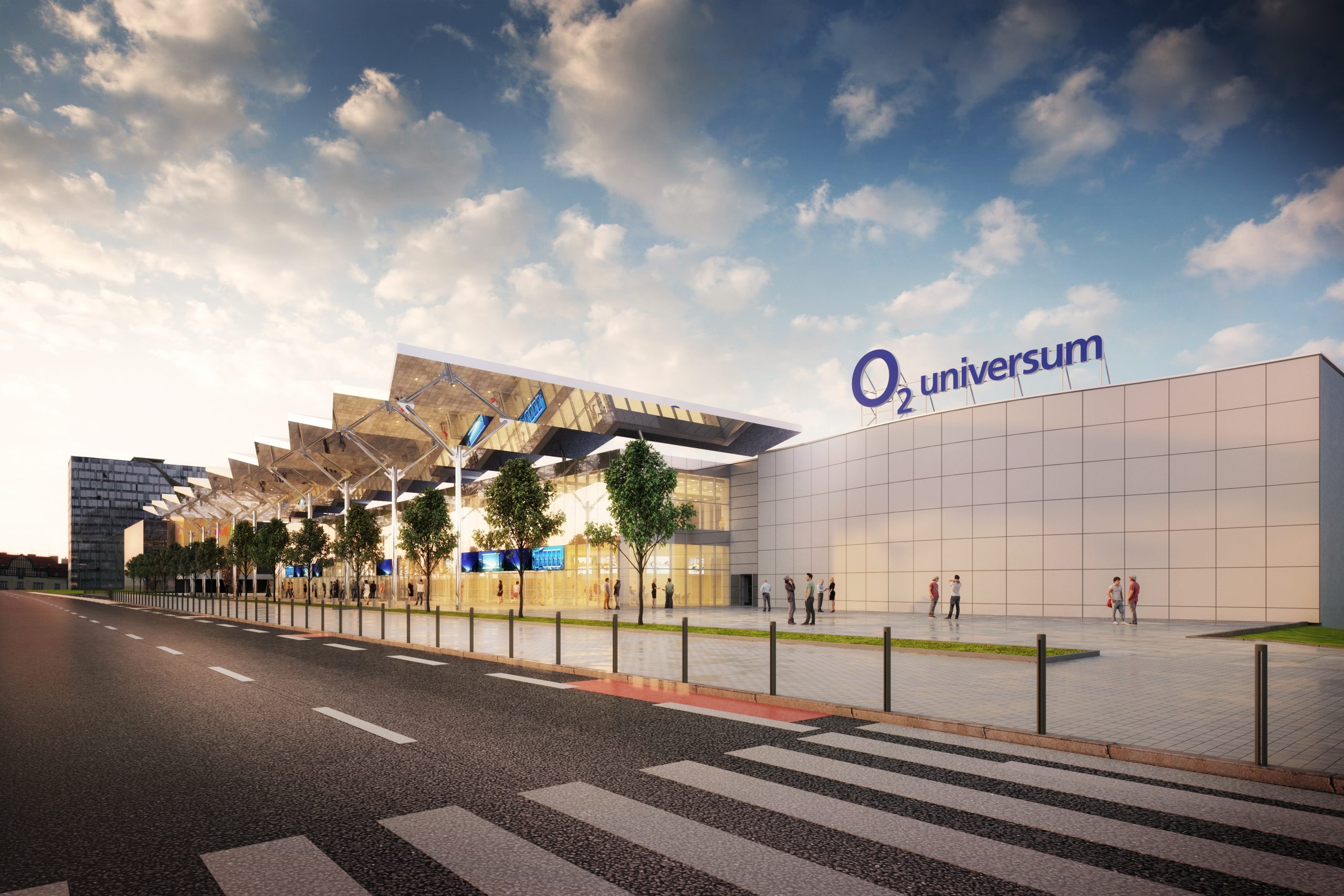
Conference venue
O2 Universum
Českomoravská 17, Praha 9
How to get there
From Prague Airport
Take trolleybus Nr. 59 to the final stop Nádraží Veleslavín. From there, transfer to metro line A (green) towards Depo Hostivař and get off at Můstek station. There, change to metro line B (yellow) towards Černý Most and get off at Českomoravská station. The entire journey takes about 55 minutes.
From Main Train Station
Take metro line C (red) towards Letňany and get off at Florenc. From there, transfer to metro line B (yellow) towards Černý Most and get off at Českomoravská station. The entire journey takes about 20 minutes.
From Praha-Libeň train station
You can either walk about 10 minutes to the venue or take tram Nr. 7 or 8 to the Aréna Libeň jih stop.
Please note that the metro station Českomoravská is closed.
Contact
For more information please contact us at
ceeducon@dzs.cz or +420 221 850 100